Cart is empty
 Books & CD/DVDs
 Orthodox Icons
 Monastic Handiwork

 Ecclesiastical Utensils
 Clothing & Accessories
 Natural Care & Remedies
 Prayer Ropes
 Jewelry
 Incense
 Wines
 Food
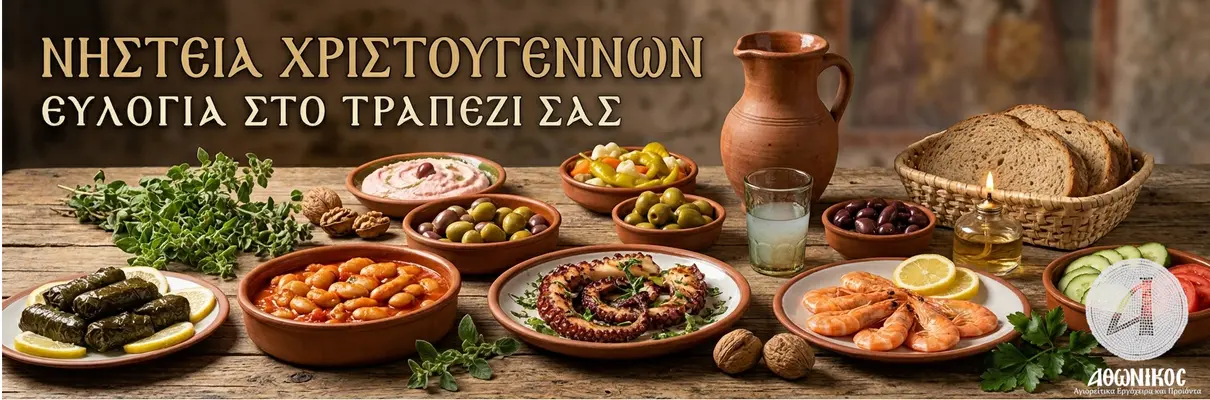
The Christmas Fast (Forty Days): When It Begins, Rules on Fish & Its Spiritual Significance
Introduction: Spiritual Preparation for the Mother of Feasts
The Christmas Fast, known in Orthodox tradition as the "Forty Days" (Sarantaimero) or "Lesser Lent", is the second longest fasting period of the ecclesiastical year. It is a blessed time of spiritual preparation, purification, and prayer, designed to ready our hearts to welcome the Incarnate Word of God, our Lord Jesus Christ, into the manger of our souls.
In popular tradition, this fast is also referred to as the "Fast of Saint Philip," as it begins on the day immediately following the feast of the Holy Apostle Philip (November 14).
When Does It Begin and How Long Does It Last?
The Christmas Fast observes fixed calendar dates every year:
Start Date: November 15
End Date: December 24 (Christmas Eve)
Duration: 40 days
Despite lasting forty days, this fast is considered milder and less strict compared to Great Lent before Pascha, as the Church compassionately allows the consumption of fish for a significant portion of the period.
Dietary Guidelines: What Is Permitted (When Fish Is Eaten)
Throughout the entire Forty Days, we strictly abstain from:
Meat and meat products
Dairy products
Eggs
However, this fasting period is divided into two primary phases:
1. First Period: November 15 to December 17 (Fish Permitted)
Fish is allowed: On all days of the week (Monday through Sunday), except on Wednesdays and Fridays.
Wednesday & Friday: Strict fasting without oil is observed (or with oil if a major feast falls on that day).
Entrance of the Theotokos (November 21): Fish is permitted regardless of the day of the week on which the feast falls.
2. Second Period: December 18 to December 24 (Strict Fasting)
From December 18 through Christmas Eve, fish is no longer permitted.
The consumption of wine and oil remains allowable (except on Wednesday and Friday), preparing body and soul for Nativity.
December 24 (Christmas Eve) is a day of strict fasting (without oil), unless it coincides with a Saturday or Sunday.
The Deeper Spiritual Significance of the Fast
The Holy Fathers of our Church (such as Saint John Chrysostom and Saint Basil the Great) emphasize that abstaining from food is merely the means and not the ultimate goal.
"Do not limit fasting merely to abstinence from food. True fasting is departure from evil... Are you fasting? Show me by your works." Saint John Chrysostom
The spiritual dimension of fasting includes:
Fasting of the Senses: Abstaining from judgment, falsehood, anger, gossip, and malice.
Self-Control & Humility: Governing desire and cultivating inner tranquility.
Almsgiving & Love: Offering whatever material savings arise from our restraint to neighbors in need.
Participation in the Sacraments: Fasting achieves its full meaning when combined with regular Prayer, Holy Confession, the Forty-Day Liturgy cycle, and Holy Communion.
The Forty-Day Christmas Liturgy (Sarantaleitourgo)
One of the most cherished Athonite and parish traditions during this season is the Sarantaleitourgo. From November 15 through December 24, the Divine Liturgy is celebrated daily, during which the names of both the living and the departed are commemorated. This daily remembrance before the Throne of God brings immense spiritual benefit and solace to souls.
Create a Prayerful Atmosphere at Home with Athonian.gr
The fasting season offers an ideal opportunity to renew our home altar and turn our households into places of quiet prayer:
Athonite Incense: Authentic frankincense from the cells ofMount Athos in prayerful fragrances for daily censing.
Pure Beeswax Candles & Oil Lamps: Keep the light of faith burning at your icon corner with genuine beeswax candles and handcrafted oil lamps (kandylia).
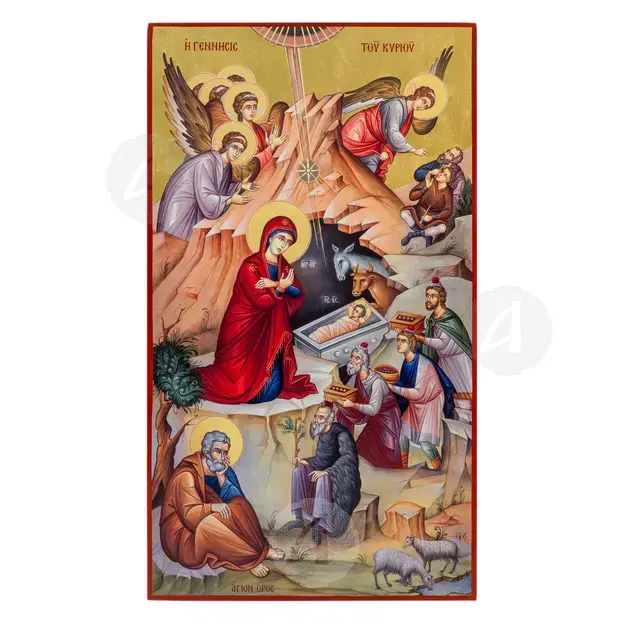
Byzantine Icons: Welcome theNativity of Christ with handcrafted icons on natural wood, crafted with devotion by Athonite fathers.
Spiritual Books:Enrich your fast with patristic texts and prayer books to nourish the soul.
