
Cart is empty
 Books & CD/DVDs
 Orthodox Icons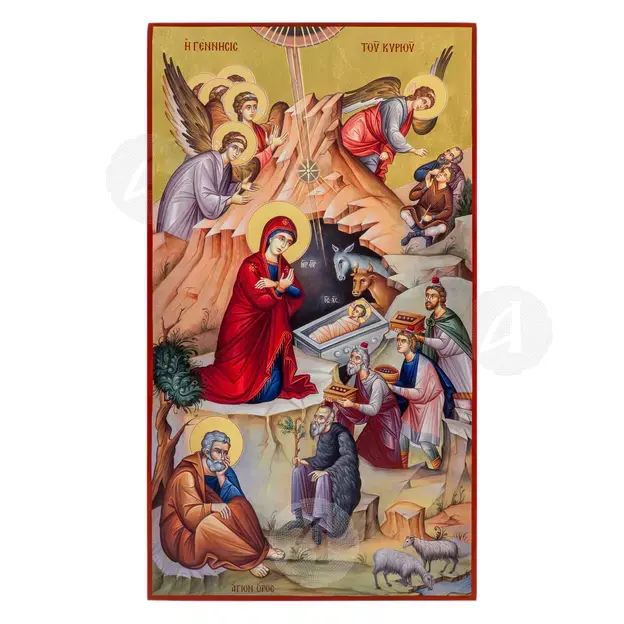
 Monastic Handiwork
 Ecclesiastical Utensils
 Clothing & Accessories
 Natural Care & Remedies
 Prayer Ropes
 Jewelry
 Incense
 Wines
Wines
 Food
Food
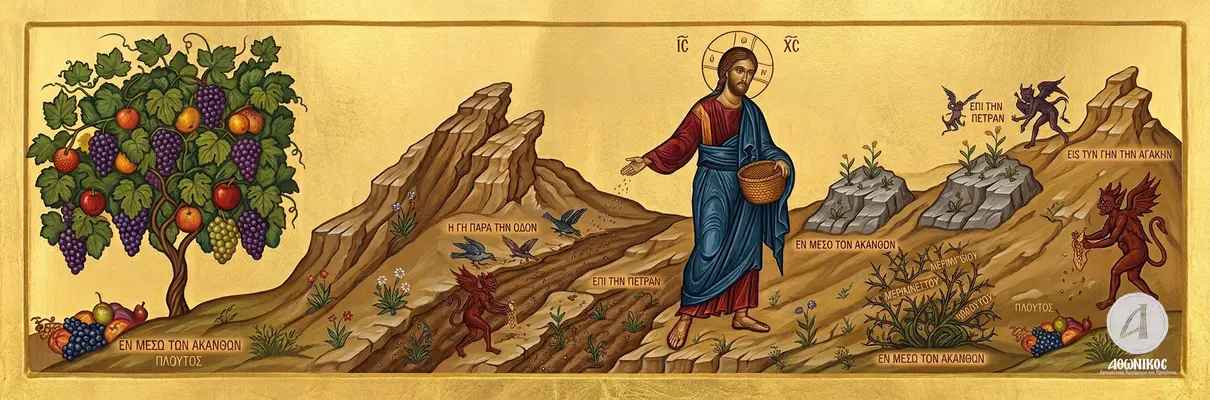
Sunday of the Holy Fathers of the 7th Ecumenical Council (October 11): The Veneration of Holy Icons and the Spiritual Depth of the Parable of the Sower
The Theological Message and Historical Context of Today's Feast
Today, Sunday, October 11, our Orthodox Church commemorates the 350 Holy and God-bearing Fathers of the 7th Ecumenical Council, which convened in Nicaea, Bithynia, in 787 AD. Under the presidency of Saint Tarasios, Patriarch of Constantinople, and the patronage of Empress Irene the Athenian, the Holy Fathers put an end to the first severe period of Iconoclasm, proclaiming the eternal truth of our undefiled Orthodox faith.
The Council's dogmatic decision was monumental: the veneration ofHoly Icons is not idolatry, because the honor paid to the icon "passes to the prototype," as Saint Basil the Great taught and Saint John of Damascus defended. When we venerate an icon of Christ, the Theotokos, or the Saints, we do not worship the wood or the paint, but we honor the person depicted. The Incarnation of God the Word rendered the divine form visible and circumscribable, sanctifying matter and turning it into a vessel of divine Grace.
The Gospel Reading: The Parable of the Sower (4th Sunday of Luke)
Simultaneously, during today's Divine Liturgy, the foundational Parable of the Sower from the Gospel of Luke (8:5-15) is read. Christ likens the Word of God to seed and the human heart to four distinct types of soil:
"Along the path": The seed that fell along the path was trampled underfoot, and the birds of the air devoured it.
"On the rock": The seed that fell on rocky ground sprouted quickly, but as soon as the sun rose, it withered because it lacked moisture and deep roots.
"Among thorns": The seed that fell among thorns grew, but the thorns choked it as they grew alongside it.
"Into good soil": The seed that fell into fertile soil produced a crop a hundredfold.
Theological and Patristic Interpretation: The Depth of Cultivating the Soul
The Fathers of the Church (such as Saint John Chrysostom, Saint Cyril of Alexandria, and Saint Gregory Palamas) delve deeply into this parable, uncovering the subtle spiritual states of the human soul:
1. The Sower and the Abundance of Divine Grace
The Sower is Christ Himself. God does not sow sparingly or with partiality; He scatters His Grace, the Gospel, and His blessings everywhere, to every human soul regardless of spiritual readiness. The seed is perfectly healthy and carries eternal life within it. The outcome of the harvest does not depend on the Seed, but on the receptivity and disposition of the human heart.
2. Hardness of Heart "Along the Path" (Spiritual Indifference)
The path symbolizes a soul hardened and compressed by the constant traffic of worldly thoughts, pleasures, and spiritual negligence. The "birds of the air" represent demonic spirits that hasten to snatch away the Word before the soul can reflect or be moved. This includes those who hear the Word of God as mere theory or background noise, without allowing Divine Grace to penetrate their inner life.
3. Emotional Enthusiasm "On the Rock" (Superficial Faith)
The rocky ground represents a heart with a thin surface of enthusiasm, beneath which lies the hard rock of pride and self-centeredness. Such people are easily moved by a sermon and rejoice during church services, yet they lack "roots", meaning inner stability, humility, and silent prayer. As soon as the "heat" of trials, afflictions, or worldly ridicule arises, their faith quickly fades away.
4. The Choked Soul "Among Thorns" (Worldly Cares)
This category describes the majority of modern believers. The thorns are not only blatant sins, but worldly anxieties, anxiety over material goods, wealth, pleasures, and the endless stress of daily life. The soul has good intentions and receives the seed, but allows the "thorns" of everyday worries to grow simultaneously, depriving the soul of spiritual air and light, ultimately leaving it unfruitful.
5. "The Good Soil" and Patient Fruitfulness
The good soil is a humble, pure, and contrite heart. The Church Fathers highlight Christ's words: "they produce a crop with patience." Holiness and spiritual growth are not instantaneous emotional outbursts, but the fruit of long-term struggle, patience in tribulations, regular Confession, Holy Communion, and unceasing prayer.
Connecting the Two Feasts: The Living Icon of God
Man himself is a "living icon" of God, created "in the image and likeness" of the Creator. Just as the Holy Fathers of the 7th Ecumenical Council fought to cleanse holy icons from the dust and destruction of heresy, every Christian is called to cleanse the inner icon of their soul from the thorns and stones of passions.
Saint John Chrysostom emphasizes that the quality of our heart's "soil" is not unchangeable. Through repentance, hard rocks can shatter, thorns can be uprooted, and the hardened path can be plowed, transforming the soul into fertile ground ready to receive the Grace of the Holy Spirit.
Relevance of Today's Teachings to Modern Life
In today's fast-paced world of material concerns and spiritual confusion, this Sunday offers three vital lessons:
Venerating Icons at Home: The home icon corner (iconostasi) is not decorative, but a window to Heaven. Stopping before icons to pray brings peace and divine strength into our daily routine.
Protecting the Heart from Thorns: We must re-evaluate our priorities so that daily anxieties do not choke our spiritual life.
Patience in Spiritual Growth: Genuine spiritual progress requires patience, unceasing prayer, and trust in God's Grace.
Natural Blessings & Spiritual Gifts from the Garden of the Virgin Mary
To bring Athonite blessings and the atmosphere of prayer into your home,Athonian.gr has gathered authentic, hand-crafted monastic products for you:
Pure Mount Athos Honey & Remedies: Taste the natural gifts of the Holy Mountain. Choose from premium raw honey and traditional monastic remedies (herbal salves, scented oils, herbal tinctures) to support your well-being.
Authentic Monastic Soaps: All-natural skin care with soaps made from pure olive oil, bay leaf, and lavender using traditional Athonite recipes.
Handcrafted Jewelry & Woodcarvings: Wear a symbol of faith. Discover handmade neck crosses, elegant prayer ropes (komboskini), and intricate wooden crosses, crafted with prayer by monks.
Inspiring Christian Orthodox Books: Deepen your spiritual understanding with selected books from Athonite publishers featuring lives of saints, patristic commentaries, and spiritual guidance.
