
Cart is empty
 Books & CD/DVDs
 Orthodox Icons
 Monastic Handiwork
 Ecclesiastical Utensils
 Clothing & Accessories
 Natural Care & Remedies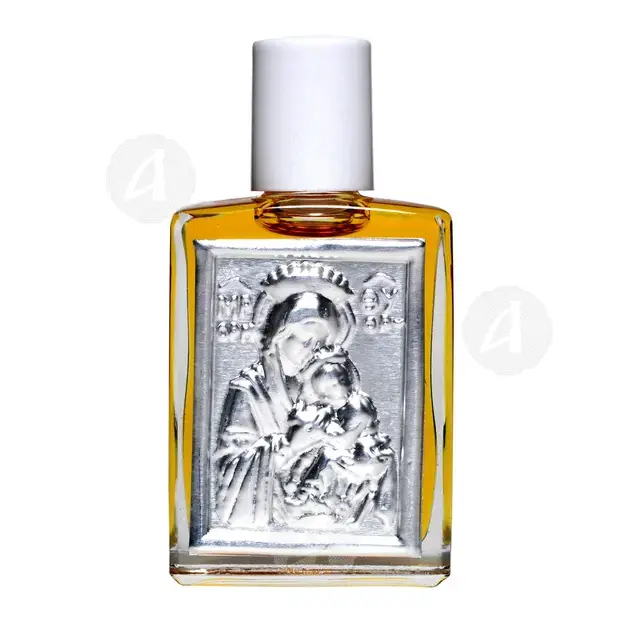
 Prayer Ropes
 Jewelry
 Incense
 Wines
Wines
 Food
Food
Stress, Depression, and the 'Sadness' of the Holy Fathers: Spiritual Solutions for a Modern Plague
The 'Dark Night' of the Soul
In the 21st century of technological progress, man seems more isolated than ever. Stress and depression are not merely medical terms, but the cry of a soul thirsting for meaning. While science offers valuable tools, the Orthodox tradition illuminates the problem from its root, offering a therapy that transcends the boundaries of psychology.
1. Distinguishing Sadness in the Patristic Tradition
The Holy Fathers distinguished with surgical precision the fine line between creative and destructive sorrow. Saint John Chrysostom teaches that sadness was given to man not to sink into despair, but to repent. "Sadness is a medicine," he says characteristically, "as long as it is used for the healing of our own failings and not for the destruction of our hope."
Conversely, 'worldly' sadness, what we today call depression, is described by Saint Abba Nilus the Ascetic as "a worm of the heart that consumes the mother who bore it." This form of sadness is devoid of light, dries up the soul, and renders it incapable of perceiving the love of God.
2. The Therapeutic Path: Practical Spiritual Solutions
Orthodox practice does not propose a passive acceptance, but an active transformation of the mind through specific spiritual means that act as medicines for the soul.
Noetic Prayer constitutes the first and strongest bulwark. The continuous invocation of the name of Christ works as spiritual energy and a filter, cleansing the mind of 'passionate thoughts' that fuel stress. When the mind focuses on the phrase "Lord Jesus Christ, have mercy on me," the nervous system calms down, and the soul finds its center, replacing turmoil with divine peace.
The Sacramental Life completes this therapy. Confession is not mere psychological venting, but an act of spiritual freedom. Man deposits the burden of guilt and secret fears beneath the epitrachelion (priest's stole), allowing the Grace of God to heal the wounds and cleanse the soul from darkness.
This path culminates in Holy Communion, which offers the biological and spiritual strengthening that human nature does not possess on its own. As Christ Himself, the Physician of souls and bodies, enters our being, He dispels the fear of death and despair, offering the power of the Resurrection. Finally, Humility functions as the foundation of therapy; as the fathers taught, the acceptance of our weakness and absolute trust in the Providence of God removes the burden of egoistic responsibility that generates stress.
3. The Wisdom of Modern Elders
Modern Saints, having received thousands of people suffering from the "disease of the age," left a legacy full of light:
Saint Paisios the Athonite: Insisted that stress is often the result of pride. "When a person entrusts themselves to God with trust, everything is set right. Anxiety is for those who want to become gods in place of God."
Saint Porphyrios the Kavsokalyvite: Taught the "path of love" as the antidote to depression. "Do not fight the evil directly. Open your arms to Christ. When the light enters the room, the darkness does not leave by force; it leaves because it no longer has a place."
Spiritual Provisions from Athonian.gr
To strengthen this spiritual fight and support our inner balance, we recommend products such as icons,incense,prayer beads, books, as well asaromatic oils and myrrh, to give euphoria and peace to the soul. A proper use of these means in our daily worship can become the occasion for a deeper spiritual rejuvenation.
The Light of Hope
Sadness and stress are not the end, but an invitation for a deeper encounter with Ourselves and God. As the Psalmist says: "Weeping may endure for a night, but joy cometh in the morning."
At Athonian.gr, we believe that a return to the patristic source and conscious participation in the life of the Church is the only essential way out of the deadlocks of modern life.
