
Cart is empty
 Books & CD/DVDs
 Orthodox Icons
 Monastic Handiwork

 Ecclesiastical Utensils
 Clothing & Accessories

 Natural Care & Remedies
 Prayer Ropes
 Jewelry

 Incense
 Wines
 Food
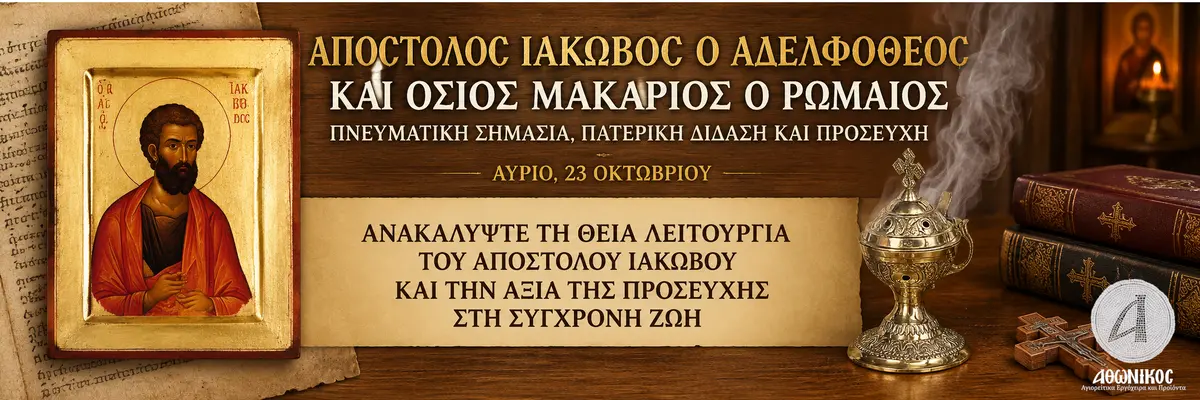
Saint James the Apostle, Brother of the Lord & Saint Macarius the Roman (October 23): Spiritual Significance, Patristic Teaching, and the Value of Prayer
The Spiritual Significance of Today’s Feast
On October 23, our Holy Orthodox Church commemorates with deep reverence two great spiritual figures of our faith: Saint James the Apostle, Brother of the Lord and first Bishop of Jerusalem, and Saint Macarius the Roman.
This feast connects apostolic ministry, divine worship, and ecclesiastical order with the ceaseless ascetic struggle of the desert, offering the modern believer an unwavering example of devotion, humility, spiritual nobility, and unceasing prayer.
Saint James the Brother of the Lord: The First Bishop of Jerusalem
Saint James is called the "Brother of the Lord" (Adelfotheos) because he was the son of Righteous Joseph the Betrothed from his first marriage, making him the stepbrother of our Lord Jesus Christ according to the flesh.
Apostolic Ministry, Strict Asceticism, and Righteousness
From his youth, Saint James was distinguished by a strict ascetic life. He drank no wine, ate no meat, and spent countless hours kneeling in prayer within the Temple of Solomon for the salvation of the people, so much so that his knees grew hard like the skin of a camel. His personal holiness was so evident that even the Jewish leaders called him "The Just" and "The Rampart of the People."
As the first Bishop of Jerusalem, he presided over the historic Apostolic Council of Jerusalem (49 AD), guiding the Apostles with divine wisdom, prudence, and reconciliation regarding the reception of Gentiles into the Church.
The Oldest Divine Liturgy in Christendom
To Saint James the Brother of the Lord is attributed the composition of the oldest Divine Liturgy of our Church, which served as the foundation for the later Liturgies of Saint Basil the Great and Saint John Chrysostom.
The Divine Liturgy of Saint James is characterized by archaic grandeur, solemn reverence, and deep theological richness. Traditionally, it is celebrated today in many churches in the center of the nave (outside the sanctuary), allowing the faithful to experience the liturgical atmosphere of early apostolic times.
Unwavering Martyrdom for the Truth
Saint James sealed his testimony of faith with his own blood in 62 AD. When the Scribes and Pharisees demanded that he deny Christ before the crowd from the pinnacle of the Temple in Jerusalem, he boldly proclaimed that Jesus is the true Messiah who sits at the right hand of Power. Enraged, the enemies of the faith cast him down from the height and struck him on the head with a club, while he prayed for his persecutors with his final breath: "Lord, God Father, forgive them; for they know not what they do."
Saint Macarius the Roman: The Ascetic of the Desert
On the same day, our Church is illuminated by the memory of Saint Macarius the Roman, one of the most striking figures of early Christian monasticism.
Born in Rome to noble and wealthy parents, Saint Macarius abandoned wealth, worldly honors, and comfort to seek spiritual perfection in the silence of the deep desert. He lived for decades in total isolation, fasting, vigil, and inner prayer, overcoming invisible temptations and purifying his heart of all earthly passion. His miraculous life, as preserved by the holy fathers who discovered him in the wilderness, serves as a constant reminder that true peace and wealth are found not in material goods, but in the total union of the soul with the Grace of God.
The Relevance of the Epistle of James in Modern Life
In the Holy Scriptures, the General Epistle of James offers practical wisdom and timeless spiritual guidance for the daily life of every Christian:
Faith and Works: "Faith without works is dead" (James 2:26). Our faith is not an abstract theory; it comes alive and is demonstrated through acts of love, almsgiving, forgiveness, and solidarity toward our neighbor.
The Power of Prayer: "The effective, fervent prayer of a righteous man avails much" (James 5:16). Fervent, humble, and persistent prayer has the power to heal physical and spiritual wounds, transforming our lives.
Restraint of the Tongue: The Saint compares the tongue to a small rudder that steers an entire ship, teaching us strict control over our words and abstinence from judgment, falsehood, and malice.
Blessings and Monastic Items from Athonian.gr
On the occasion of the feast of Saint James the Brother of the Lord and Saint Macarius, bring the blessing of our Saints into your home and icon corner:
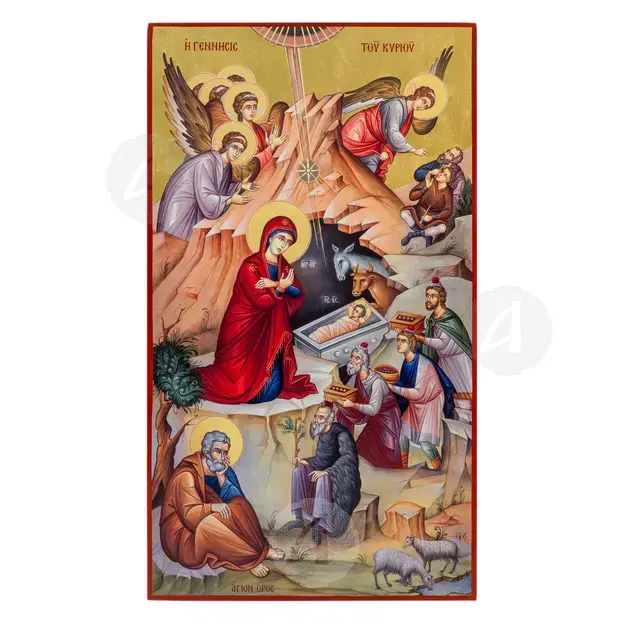
Byzantine Icons of Saints & Apostles: Handcrafted icons on natural wood with gold foil leaf, antiquing, and traditional iconography, created with prayer and respect for Athonite tradition.
Pure Athonite incense: Prepared using authentic recipes from the cells of Mount Athos, to fragrance your home during daily prayer.
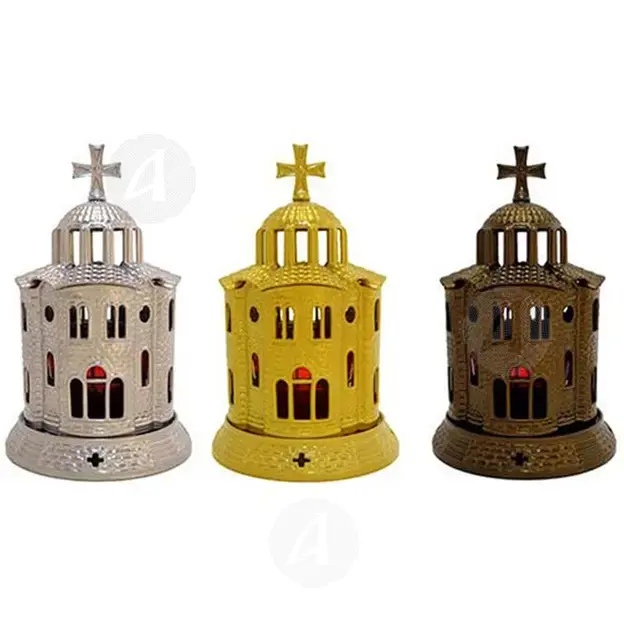
Handmade Oil Lamps & Pure Beeswax Candles: Keep the light of faith burning bright at your home altar with safe glass or brass oil lamps (kandylia) and genuine beeswax candles.
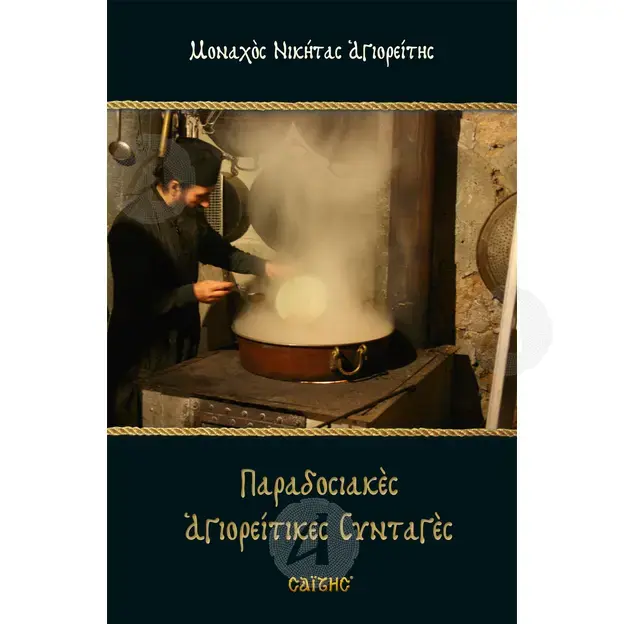
Spiritual & Patristic Books: Deepen your understanding of the Apostolic Epistles and the lives of the Desert Fathers through selected spiritual publications that nourish the soul.
